 |
 |
|
|
|
||
|
ROMAN NUMERALS On Clock Faces Compiled by Fred Kats |
||
|
|
||
 Anno 1389 |
||
|
The
subtractive notation of Roman numerals
-such as
IV,
IX,
and
XL-
evolved from an ancient primarily additive system. While ancient
Romans occasionally used subtractive forms in inscriptions, they
initially preferred simpler additive forms like
IIII
for four. |
||
|
|
||
CONTENTS TABLE OF CONTENTS |
||
|
The compact subtractive numerals The subtractive IV was rarely used Roman numerals on dials through the ages |
||
|
|
||
 |
||
|
|
||
|
|
||
|
|
||
 |
||
|
|
||
|
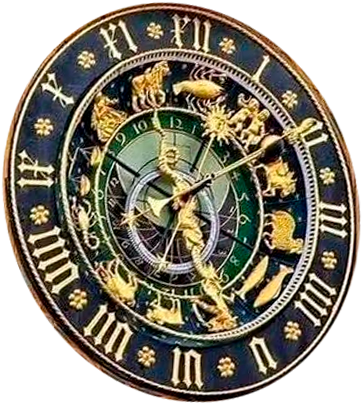
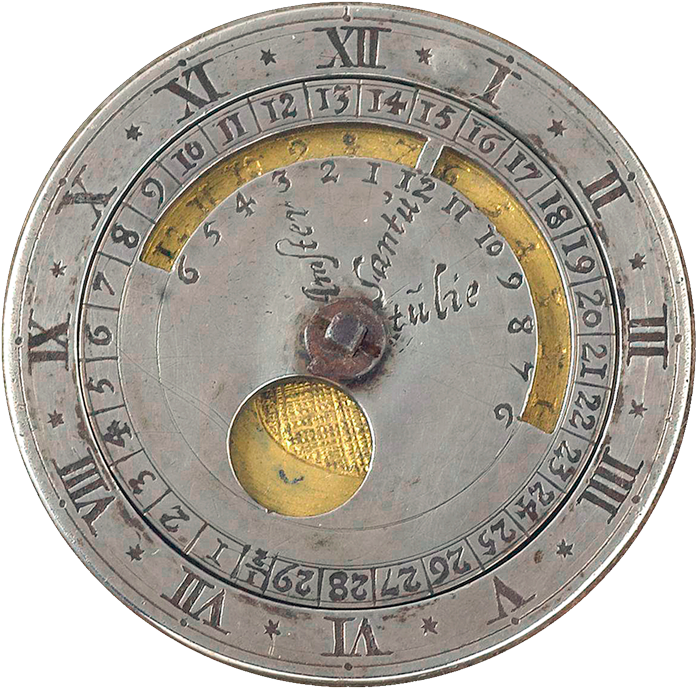
The shorter subtractive notation enabled better spacing and inclusion of half-hour markers, making it easier to read the time more accurately. 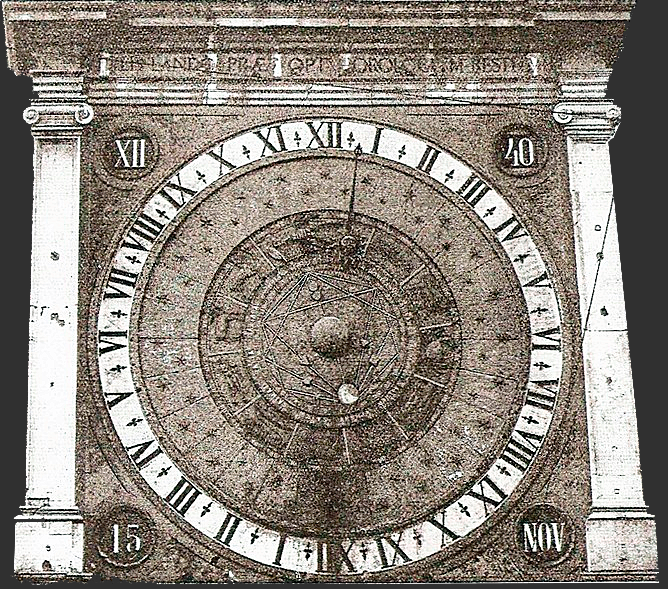 Astronomical clock Padua c.1344 Chapter version 19 th c. Yet, only the subtractive IX was universally applied, while the subtractive IV was not used at the time of the oldest clocks 6 7.
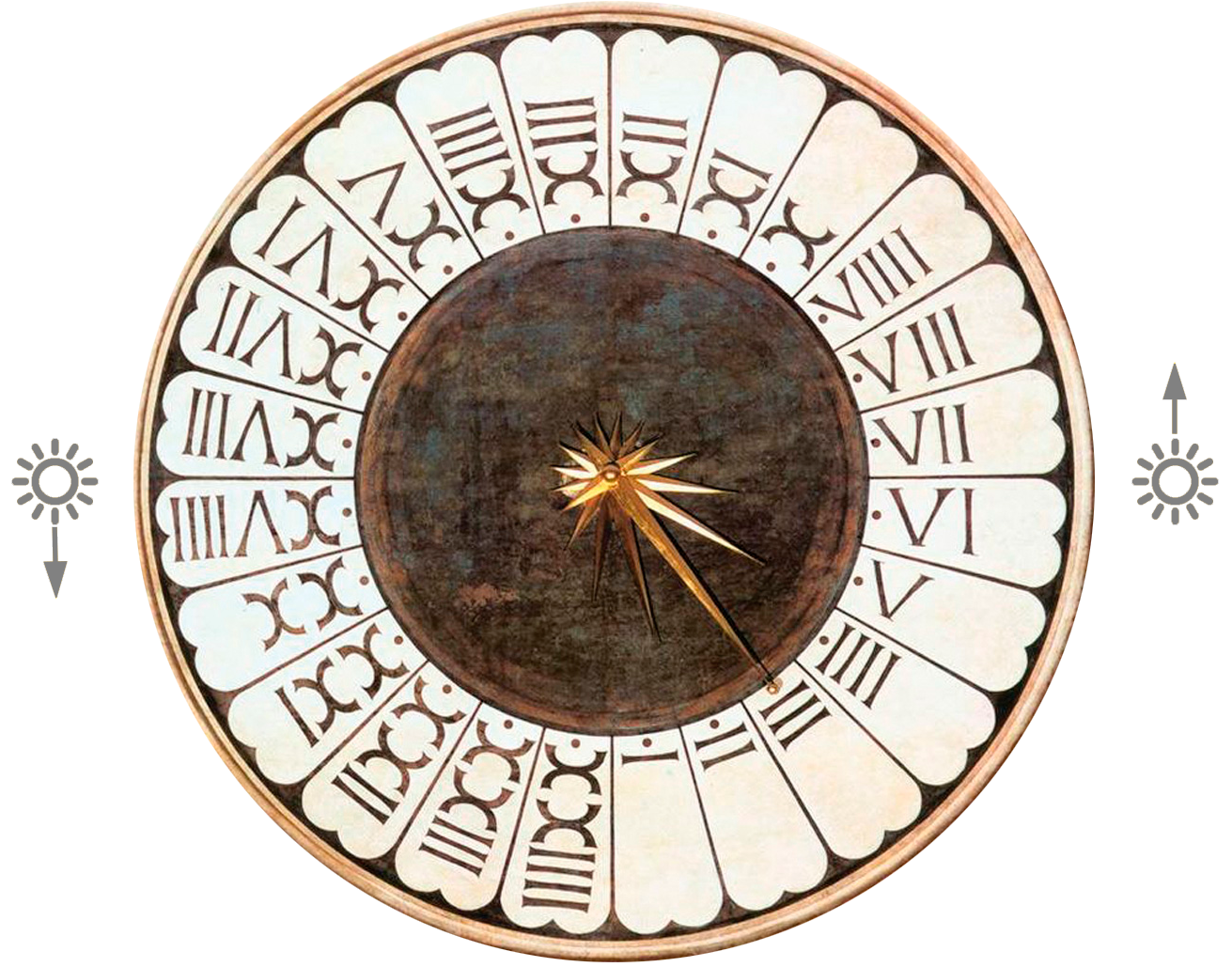
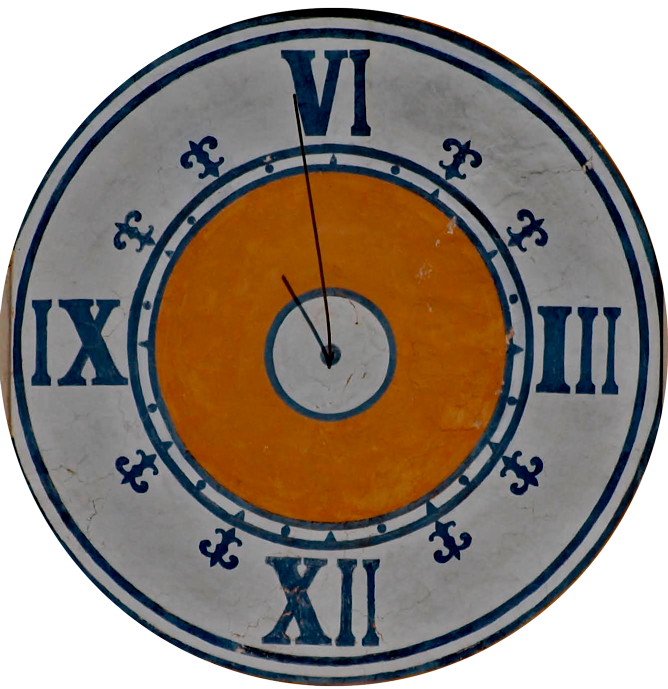
Like the earliest 24-hour public clock dials, early 12-hour dials used the ancient additive numerals as well, though the lengthy VIIII usually gave way to the compact subtractive IX, also avoiding crowding with VIII.
|
||
|
|
||
|
|
||
|
|
||
|
Before
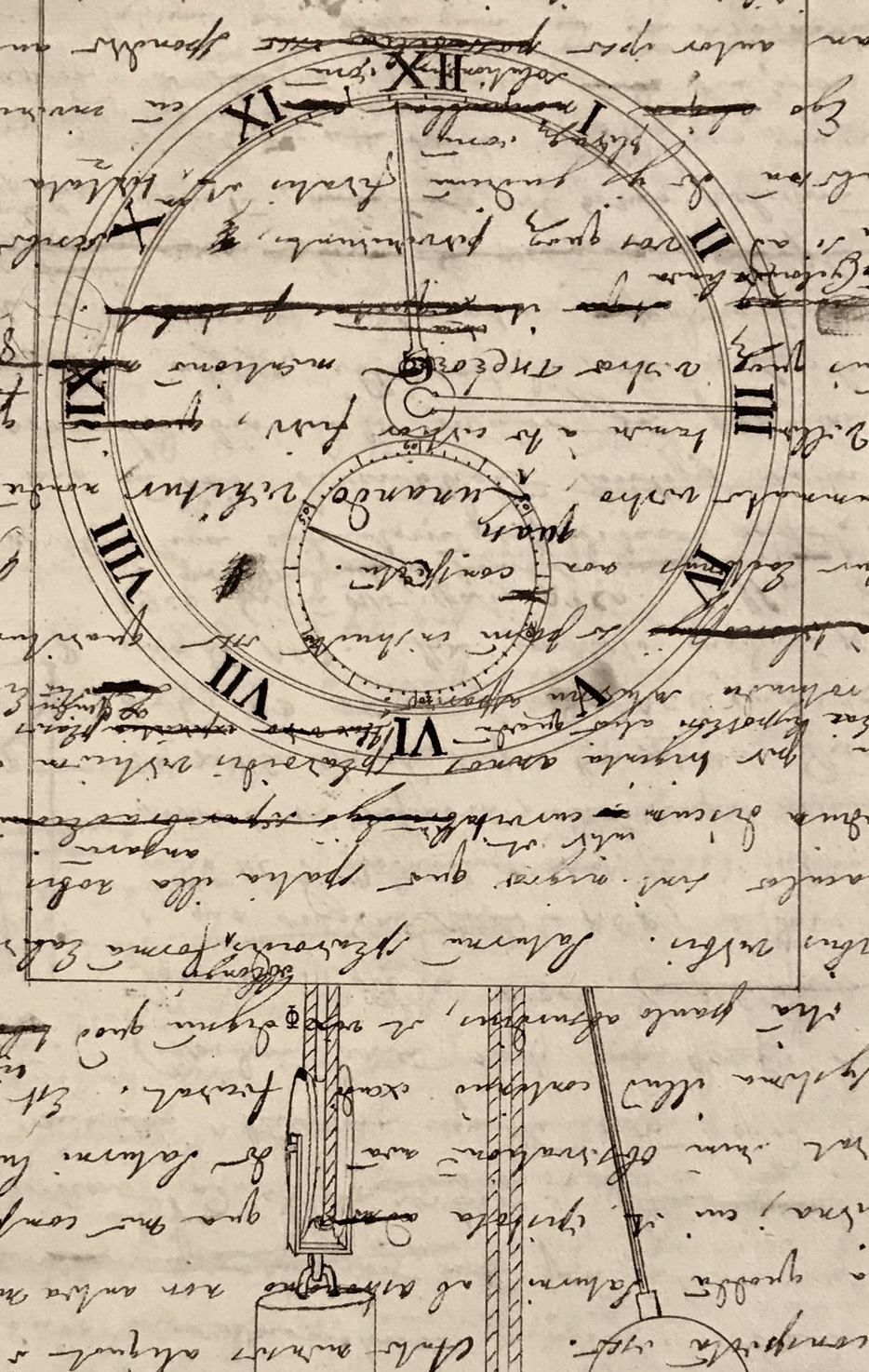
1657, mechanical timekeeping technology was notoriously inaccurate,
with timepieces sometimes gaining or losing as much as twenty minutes. Hence,
minute graduations were of little practical value.
The hours were divided in
In
the course of the 16th century, the subtractive numeral
IV appeared more in documents and
inscriptions.
Since
they provided a much valued audible
time telling service5,
quarter-striking public
clocks
became increasingly common from the 15th century onwards.
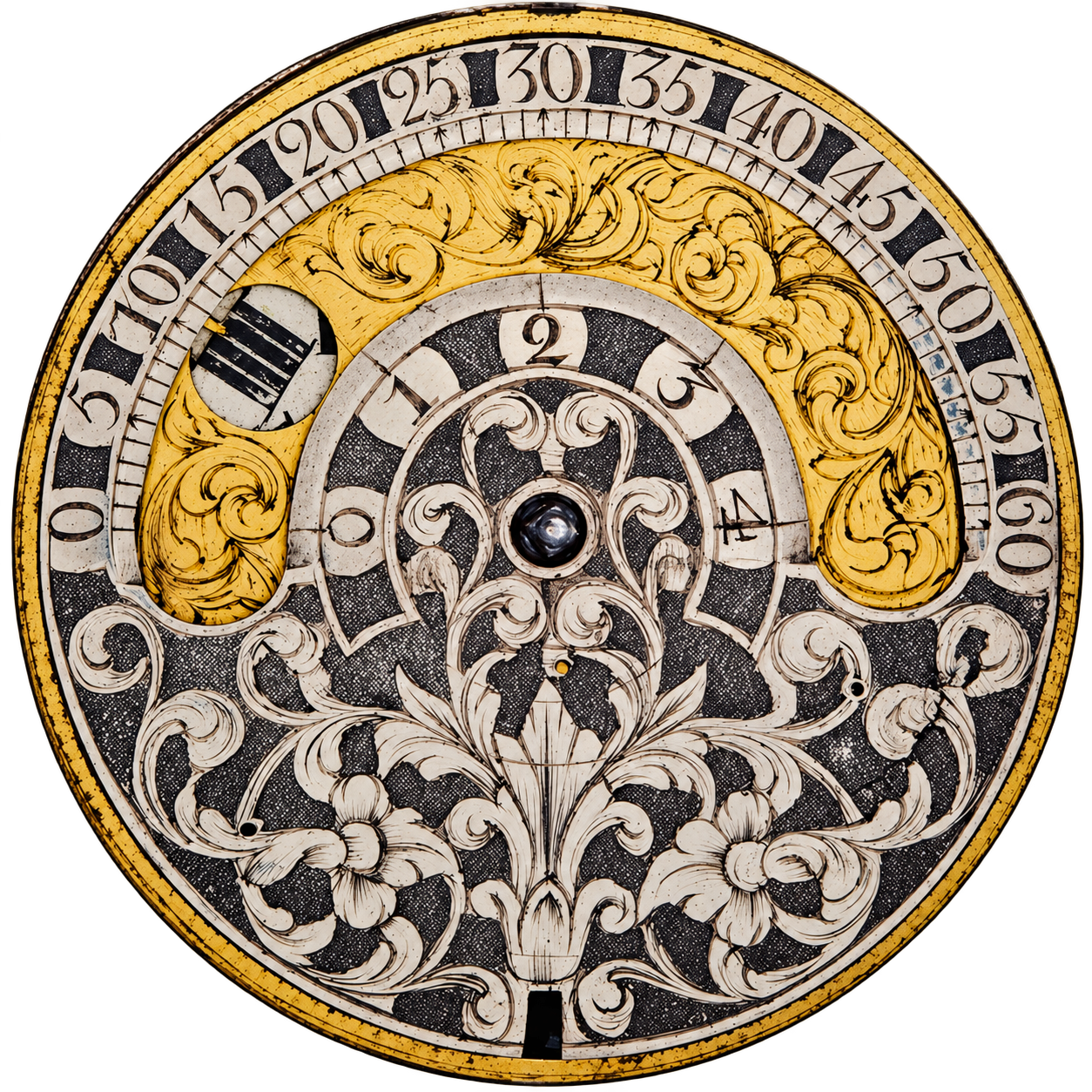
Subsidiary quarter chapters 1
Central quarter chapters1.
It was only with
the advent of precision pendulum clocks in 1657
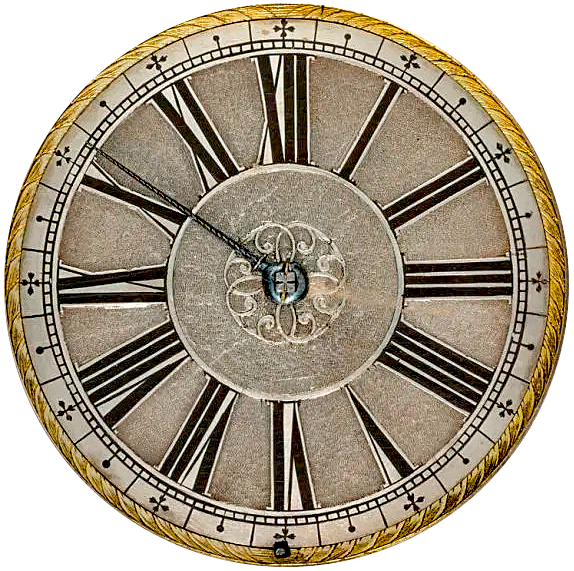
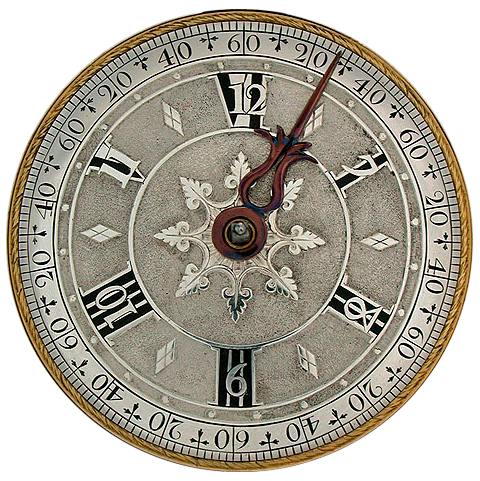
that central minute hands, pointing to Arabic minute divisions on the chapter-ring1, acquired real
significance.
|
||
|
|
||
|
|
||
|
|
||
|
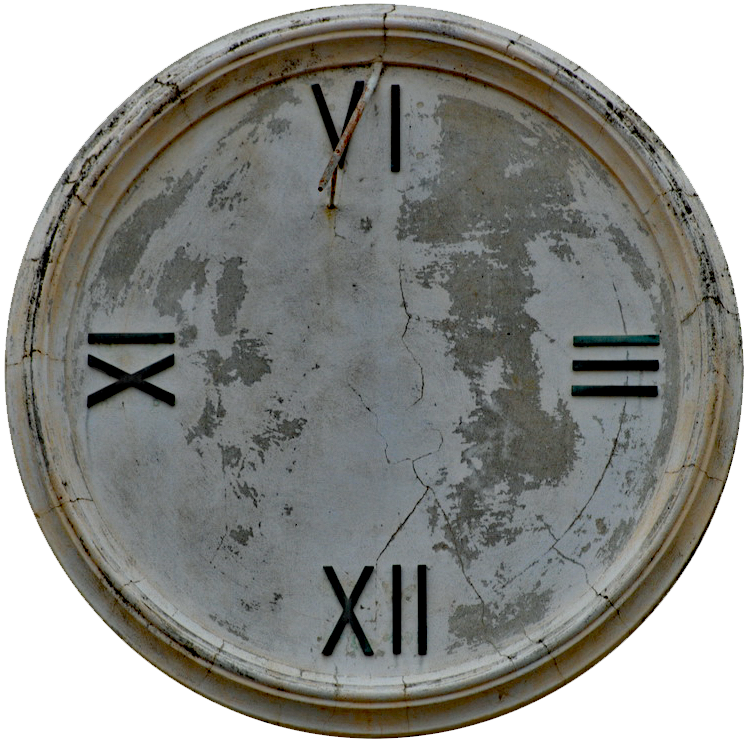
In
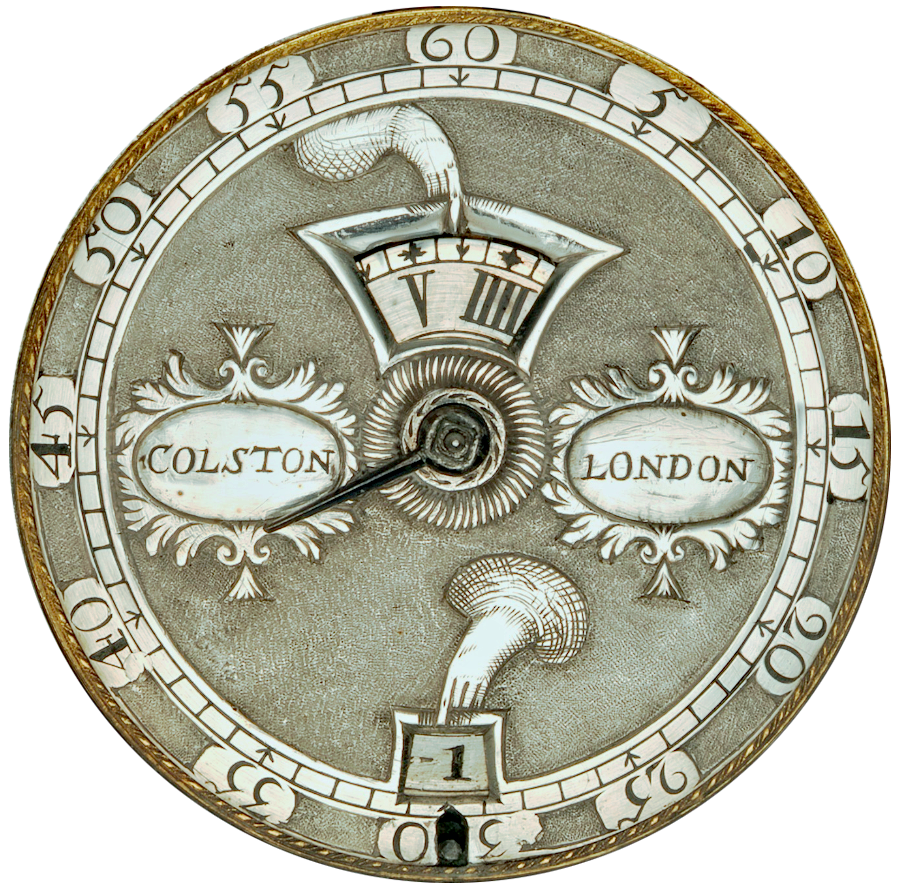
comparison with the ancient additive 'IIII', the subtractive 'IV'
was not widely used6.
Although, it does appear on quite a number of later dials and its
use increased somewhat throughout the 20th century, often on
renovated tower clock faces.
In
contrast to actual clock faces, these mid-17th-century prints
reveal that the subtractive ‘IV’
was indeed used in pictorial representations.
The
IV was also found on exclusive,
late 17th c, clocks with a month going movement and
Roman striking, an energy
efficient system in which the number of chimes corresponded to the
Roman numeral itself.
|
||
|
|
||
|
roman numerals on
dials through the ages |
||
|
|
||
|
14th.
15th. 16th. 17th.
18th.
19th. 20th.
c.
Wells Cathedral exterior.
14th.
15th. 16th. 17th.
18th.
19th. 20th.
c.
14th.
15th. 16th. 17th.
18th.
19th. 20th.
c.
14th.
15th. 16th. 17th.
18th.
19th. 20th.
c.
14th.
15th. 16th. 17th.
18th.
19th. 20th.
c.
14th.
15th. 16th. 17th.
18th.
19th. 20th.
c.
14th.
15th. 16th. 17th.
18th.
19th. 20th.
c.
14th. 15th. 16th. 17th. 18th. 19th. 20th c.
1
Chapters.
Acknowledgments
Illustrations:
Bonhams. British museum. Carter Marsh. Gude Meis. Guiseppe Brusa, La
misura del tempo. Joachim Köhler. Koller
auctioneers. La Pendulerie. Bonhams. British museum. Carter Marsh. Gude Meis. Guiseppe Brusa, La
misura del tempo. Joachim Köhler. Koller
auctioneers. La Pendulerie.
Yves Droz et Joseph Flores, Les Heures Revolutionnaires. Marjan Sterk. Mentink & Roest.
The MET. Museum Boerhaave. Quittenbaum Kunstauktionen.
Rijksmuseum. San Domenico Bologna.
Sotheby's.
Van Dreven. Wells Cathedral.
Links
|
||
|
|
||
|
This article is subject to
ongoing updates. |
||
|
|
||